Frequently asked questions
Below are some of our most frequently asked questions. If your question or topic is not here, then please contact us via our email channels.
Do I need safety specs or safety goggles?
This depends entirely on your use case.
Specs provide eye protection from minor impacts, such as when working with hand tools or in construction. They shield your eyes but leave other facial areas exposed.
Safety goggles are more suitable for dealing with chemicals, airborne particles, or potential splashes. They provide a sealed fit to prevent irritants from reaching your eyes and offer superior protection.
How can you get the ideal fit for safety boots?
To provide the best comfort and protection, it’s crucial to precisely measure your feet, try on several sizes, and take into account the kind of socks you’ll be wearing while working.
Can eye protection be worn over prescription glasses?
Yes! We do offer prescription safety glasses and many of the products we offer can also be worn over prescription eyewear.
We generally advise wearing safety glasses over your regular eyeglasses to protect both your eyes and glasses.
For the best protection vs. cost, opt for safety glasses tailored for comfortable wear over prescription eyeglasses.
Can you give me some advice on PPE eye protection?
From the applicable EN BS standards to your level of exposure to chemicals and debris, there’s a lot to consider when choosing eye protection.
Generally, you will want to wear safety specs for general eye safety, goggles for chemical or dust risks, and full-face visors in high-risk environments for complete facial protection.
To ensure full protection and compliance, we can work with you to assess your risk and recommend the best solutions.
How frequently should safety boots be replaced?
In order to maintain protection and safety in the workplace, safety boots should be updated on a regular basis, usually every 6-12 months, or when they begin to show symptoms of substantial wear and tear.
What do different colour Hi-Vis mean?
Choosing orange or yellow hi-vis clothing depends on the specific work environment and visibility conditions
- Yellow Hi-Vis:
- Use yellow hi-vis when you work in low light conditions. Yellow is preferable during dawn, dusk, and overcast days when visibility is reduced.
- Choose yellow hi-vis if you are working near traffic, such as road construction or directing vehicles.
- It’s also a suitable choice for work in dreary, grey environments like warehouses and construction sites.
- Orange Hi-Vis:
- Select orange hi-vis if you operate in the rail industry. Orange is a standard colour for rail workers in the UK.
- If your work takes you outdoors and you want to stand out, especially in natural settings with greenery, orange can be a good choice.
When is it appropriate to use ear protection?
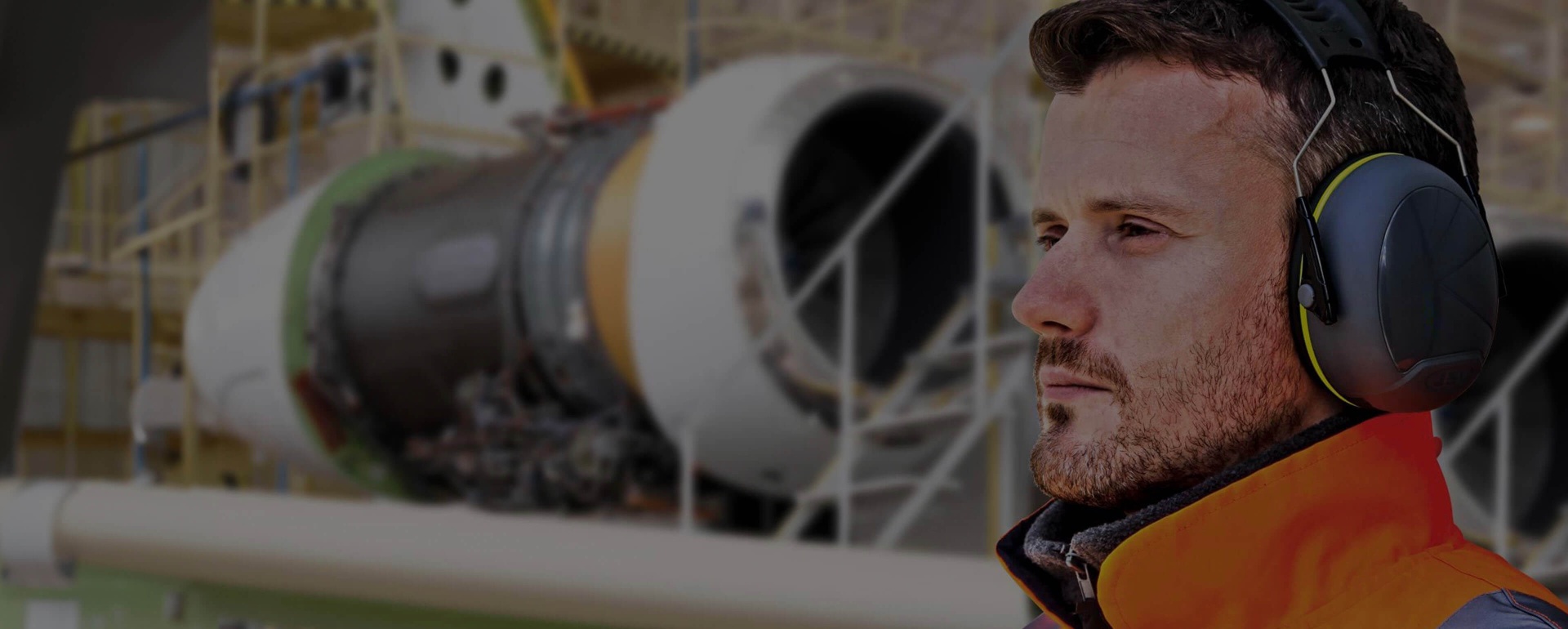
Any place where there is a chance of being exposed to dangerous noise levels that could possibly harm hearing requires ear protection. This includes areas like factories with large machinery, building sites, factories, airports, and music halls, amongst others. The use of ear protection is advised whenever noise levels regularly surpass 85 decibels (dB) in order to prevent noise-induced hearing loss.